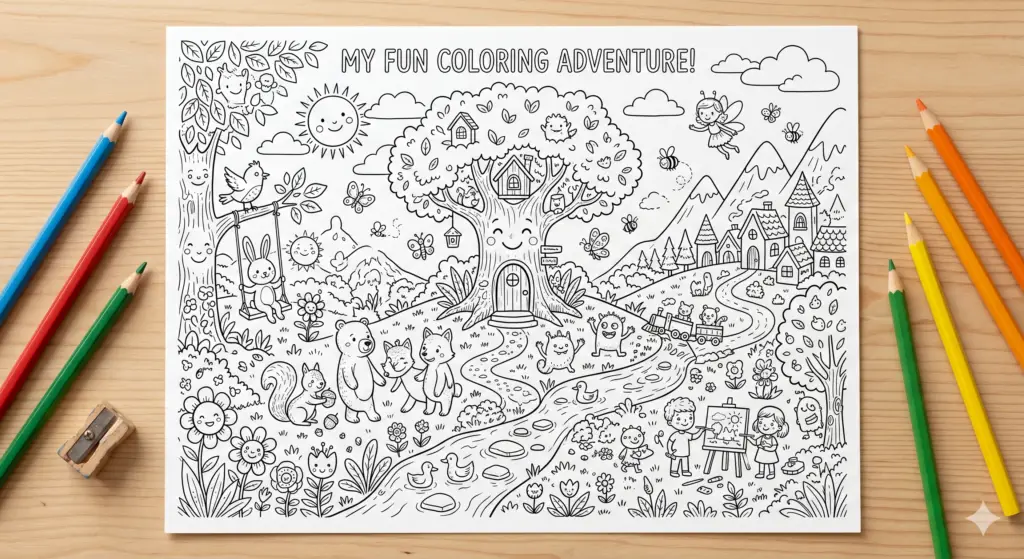
Creative Growth & Learning
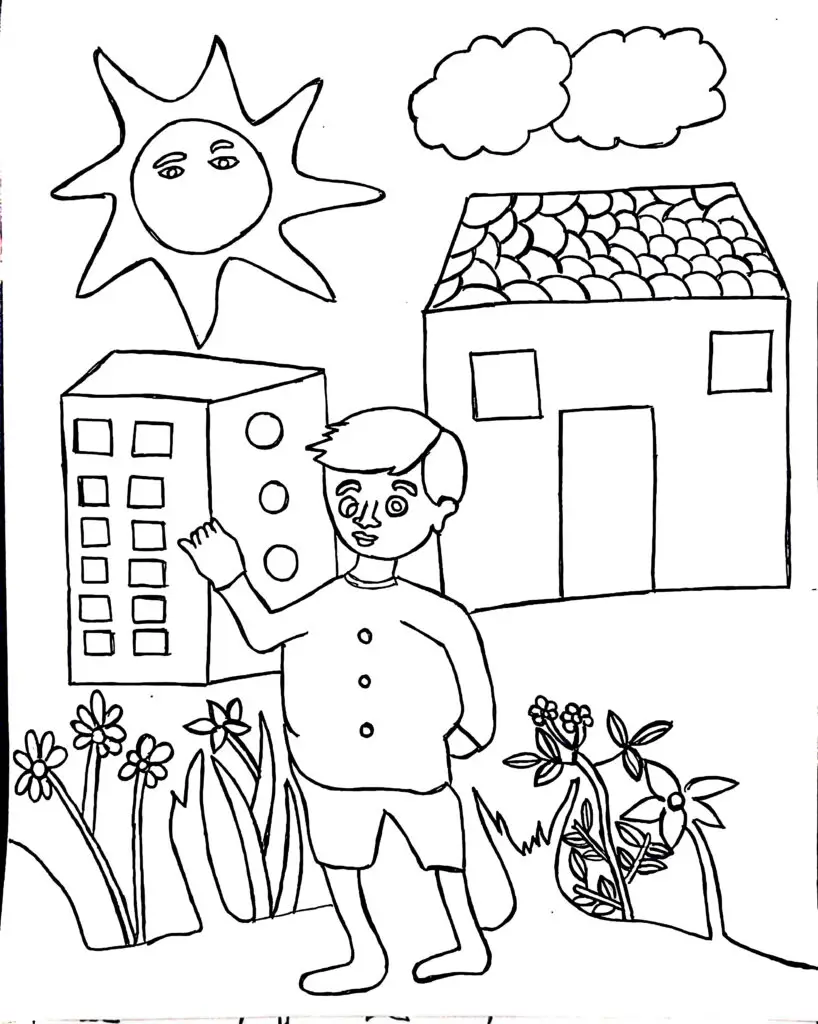
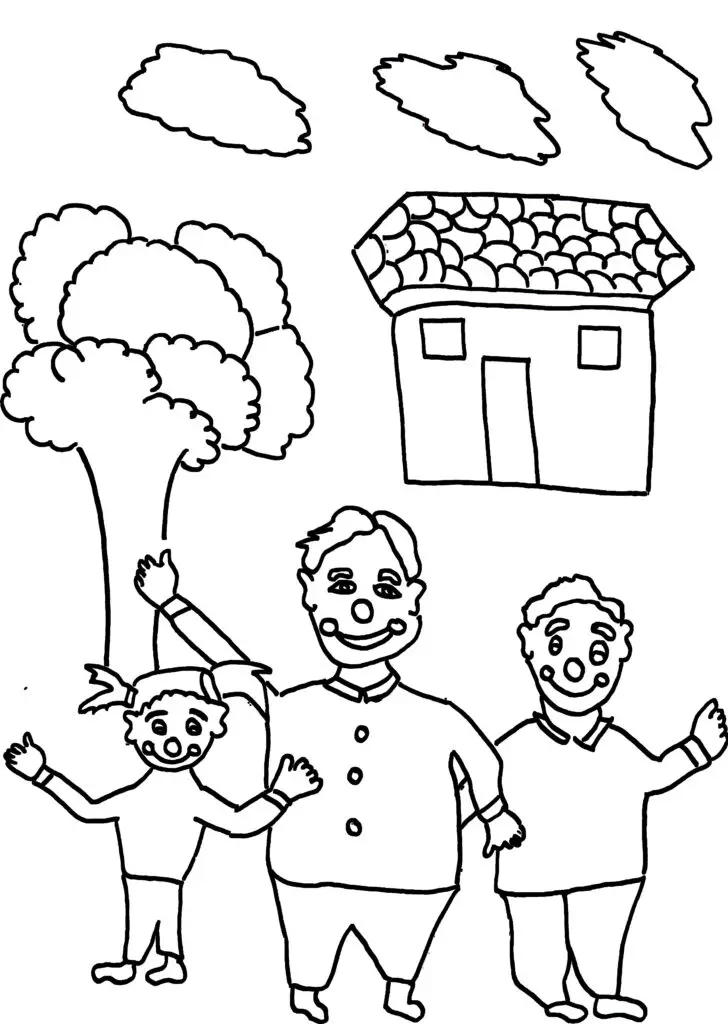
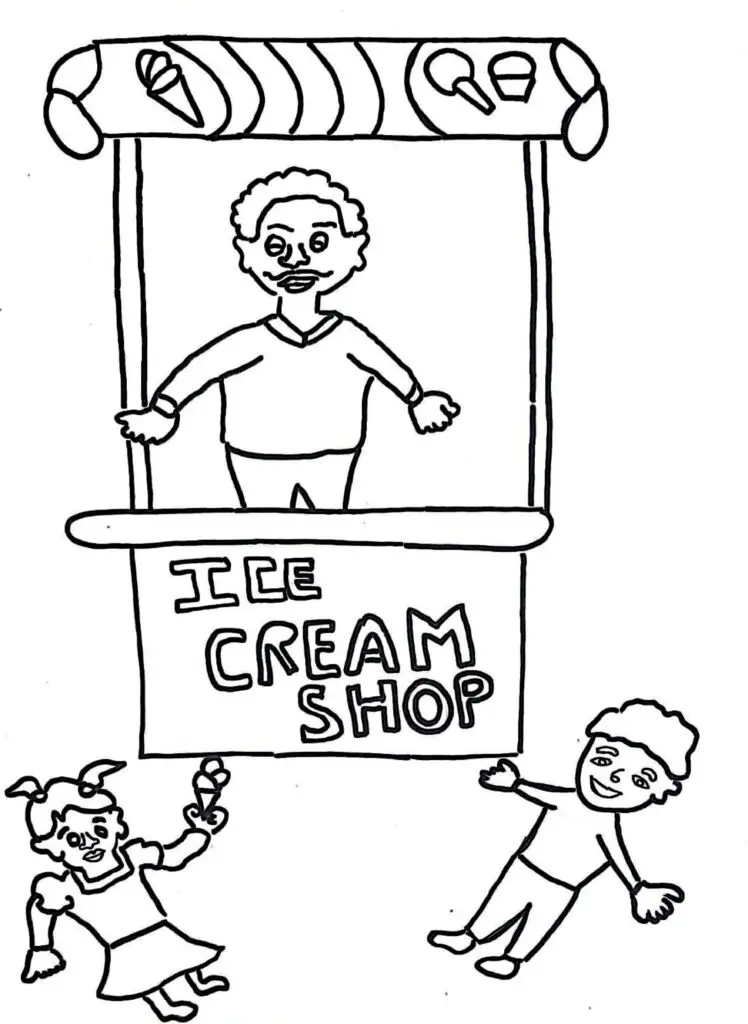
Enjoyable coloring activities are far more than just a way to pass the time;
they function as a multi-dimensional developmental resource that merges the excitement of play with
critical advancements in cognitive, physical, and emotional health.
By making the learning process engaging, these pages establish a robust framework for a
child's future academic and personal achievements.
1. Building Cognitive and Academic Roots
Engaging coloring pages serve as a gateway to formal schooling by helping young learners organize and interpret their surroundings.
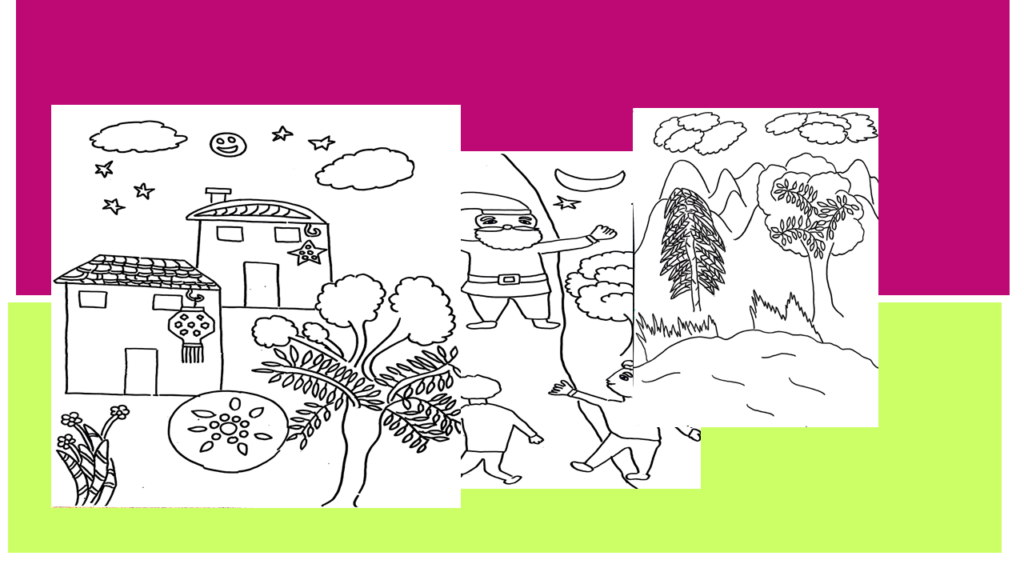
- Habitat and Species Insight: Themed illustrations allow children to recognize various species and the environments they call home, such as coastal cliffs or lush forests.
- Understanding Biological Groups: Interacting with diverse drawings teaches children about the unique physical traits that categorize different animal families.
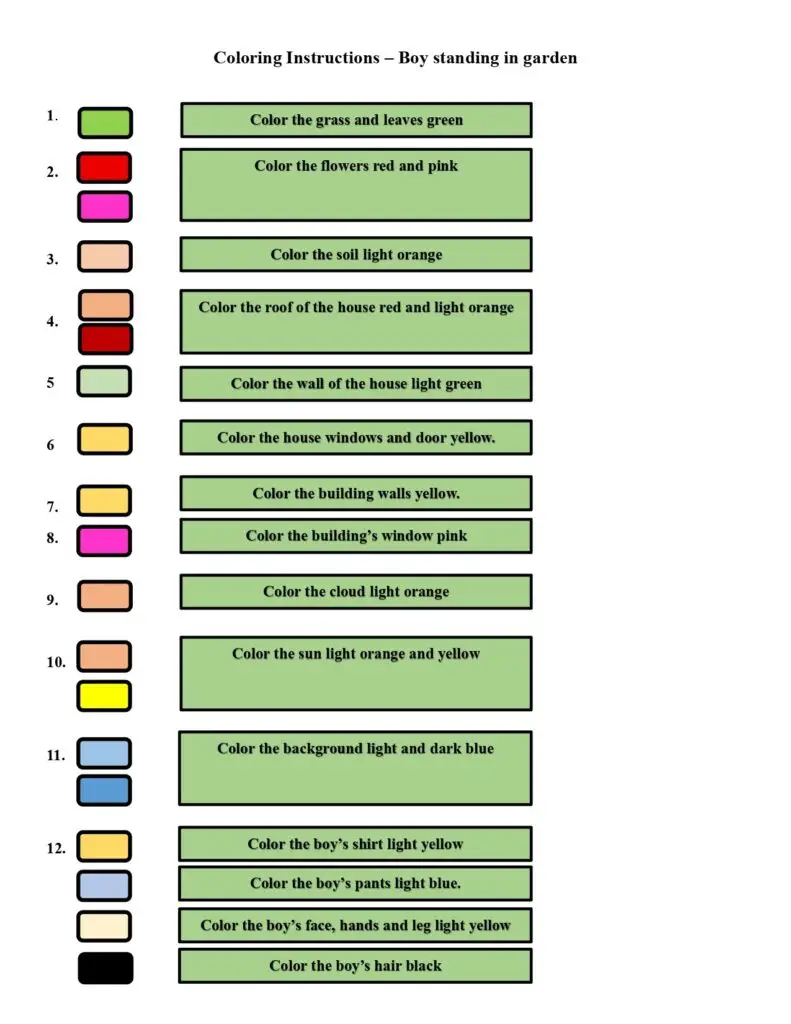
- Analytical Reasoning: Determining the right colors for specific elements encourages children to observe the real world and apply critical thinking.
- Developing Concentration: Finishing a detailed image teaches patience and helps expand a child's attention span, both of which are vital for school success.
2. Strengthening Motor Skills and Coordination
Coloring is an essential "powerhouse" activity for building the physical agility needed for everyday life.
- Small Muscle Growth: Using coloring tools effectively strengthens the intricate muscles in the wrists, fingers, and hands.
- Synchronized Movement: Practicing the skill of staying within lines improves how a child's eyes and hands work together with precision.
- Handwriting Readiness: The specific "grip strength" gained through coloring is a critical stepping stone for learning to write properly.
3. Fostering Emotional Health and Mindfulness
Fun coloring acts as a therapeutic release that nurtures a child's psychological well-being and personal expression.
- Lowering Stress: The repetitive nature of coloring induces a meditative state that calms the amygdala—the brain's fear center—reducing feelings of anxiety.
- Creative Communication: Children can use color choices as a non-verbal method to communicate their internal feelings and moods.
- Developing Self-Esteem: The act of finishing a complex drawing provides a clear sense of mastery and pride, which significantly boosts self-confidence.
4. Integrating Whole-Brain Function
Coloring is one of the rare tasks that demands the logical and creative sides of the brain operate in unison.
- Analytical Logic: The left hemisphere is engaged as a child follows the structured lines of a drawing and makes logical color choices.
- Artistic Intuition: The right hemisphere is energized through experimentation with different shades, blending, and creative impulses.
- Enhanced Neural Links: This simultaneous engagement of both sides strengthens brain connectivity, which can improve long-term memory and problem-solving abilities.