Cognitive and Academic Development
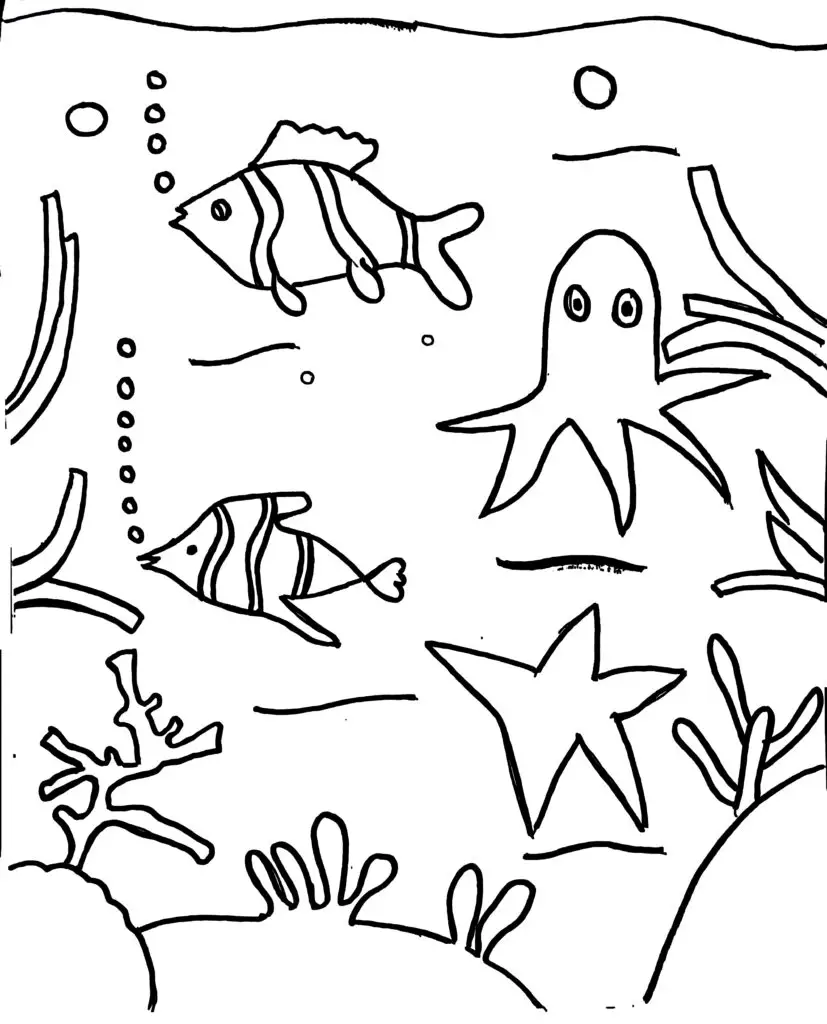
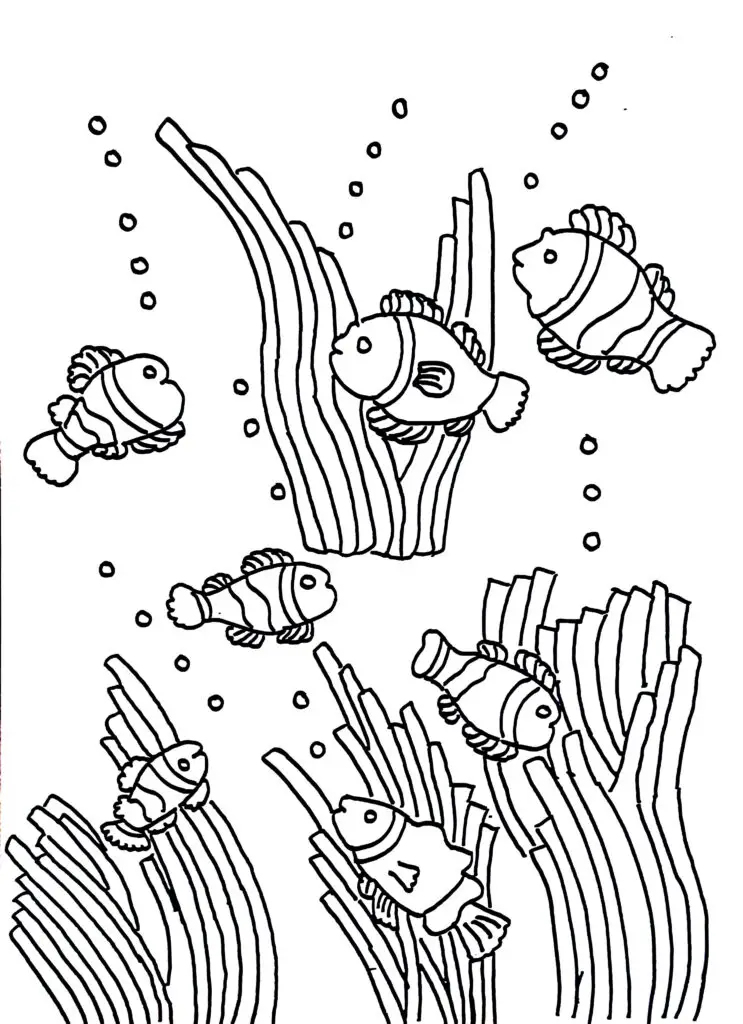
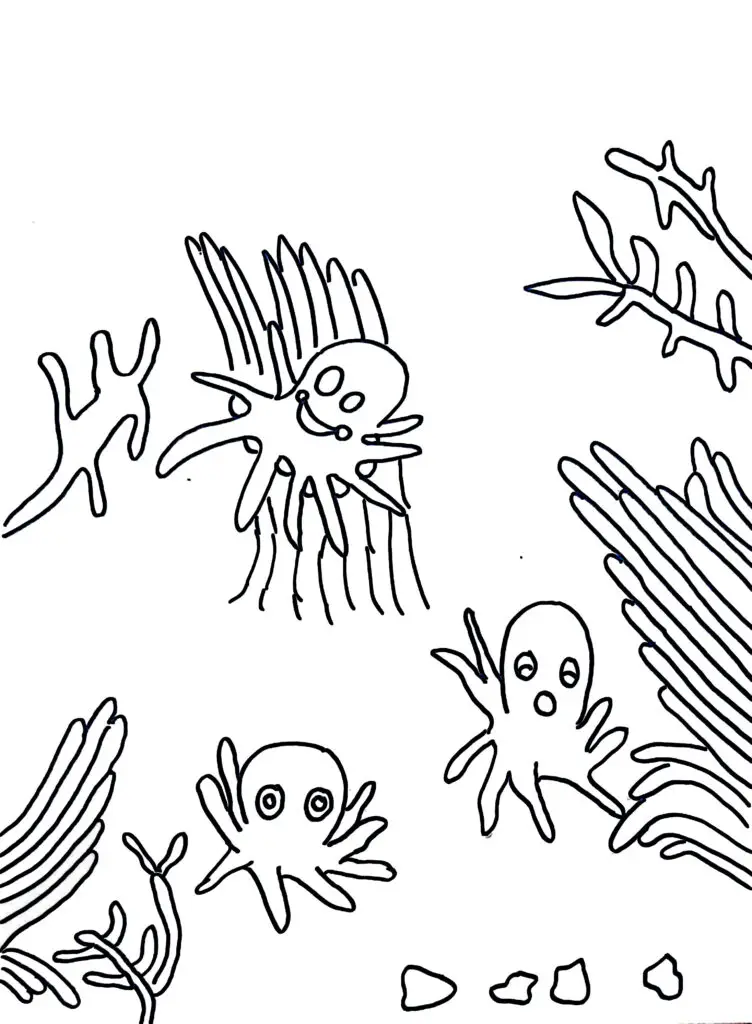
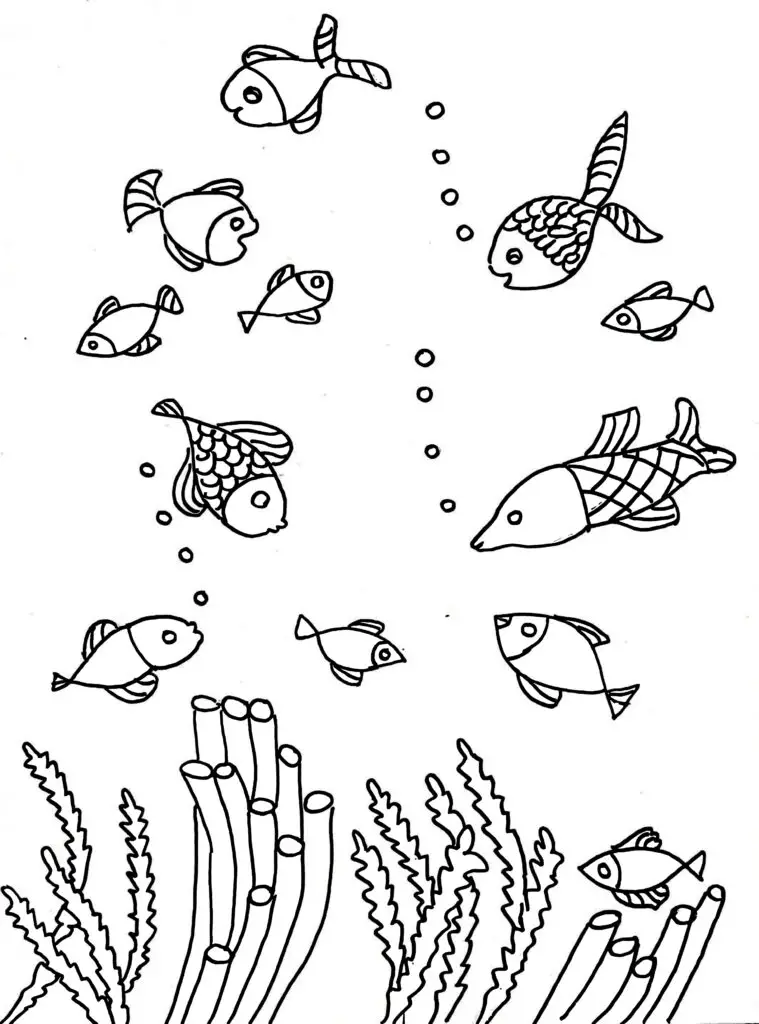
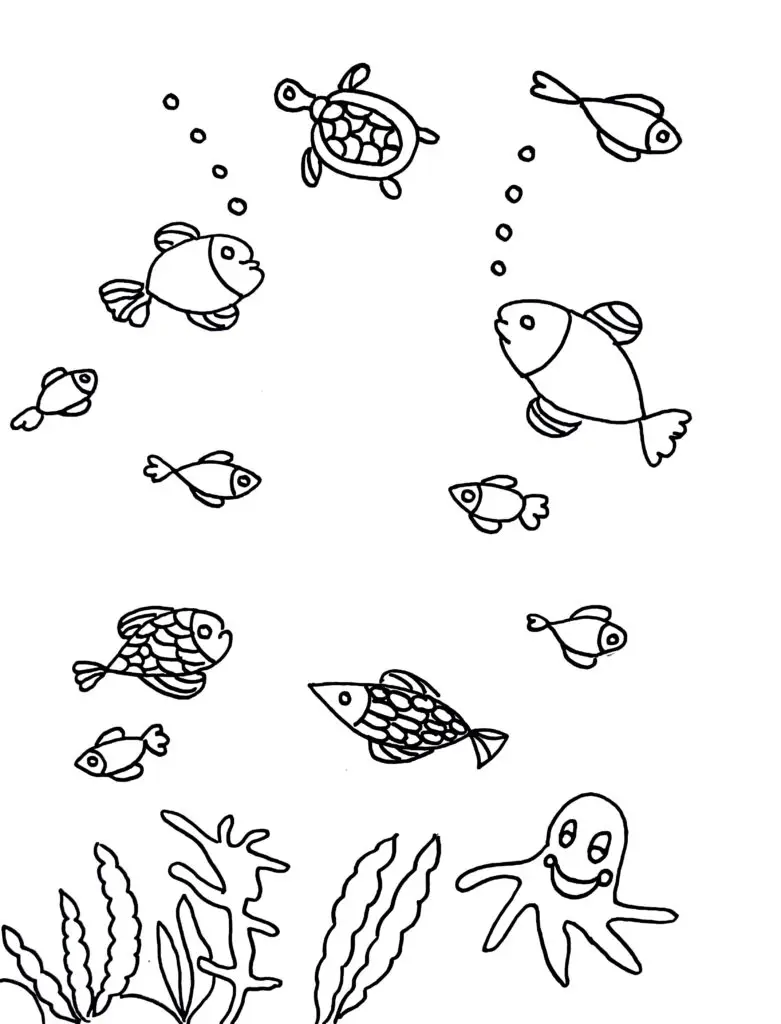
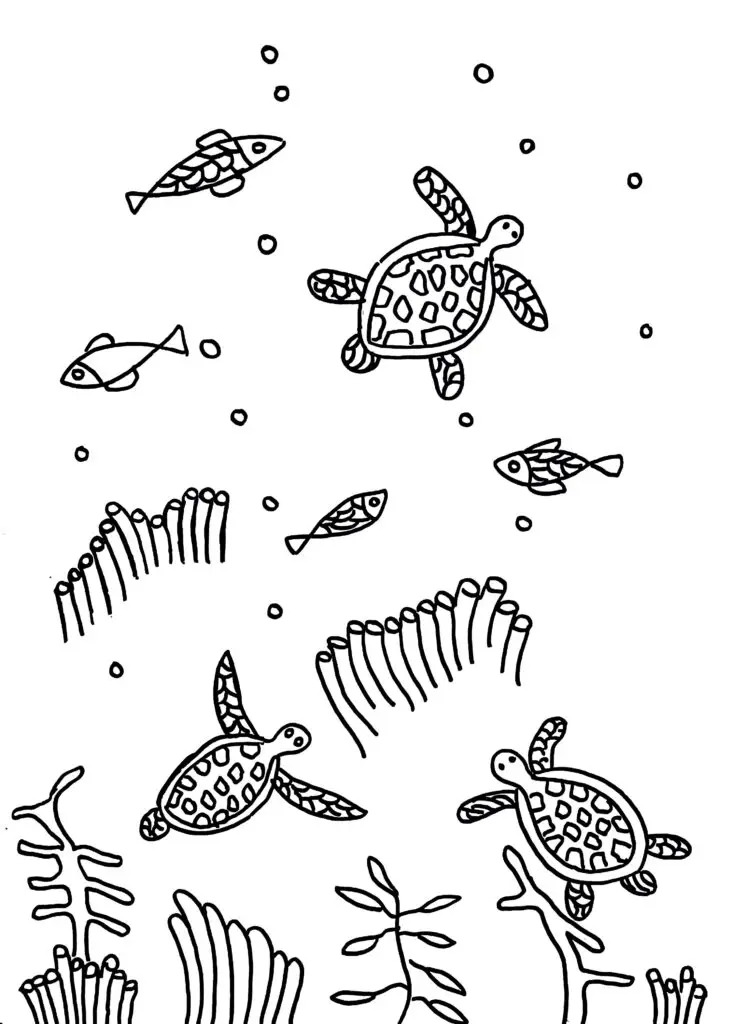
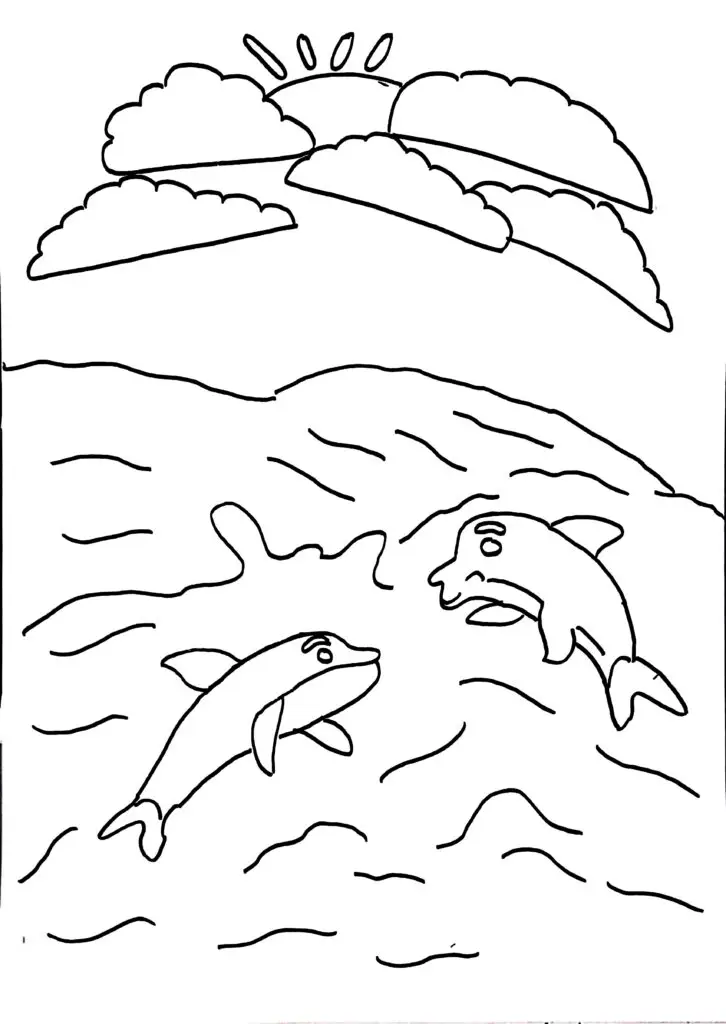
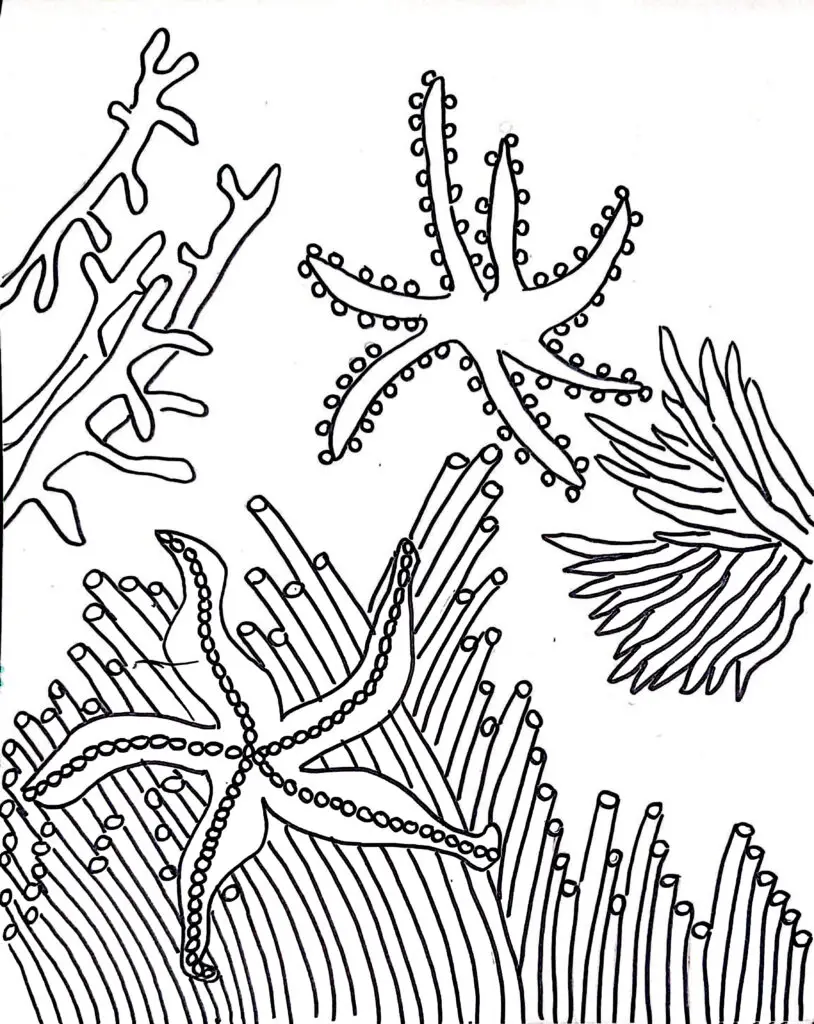
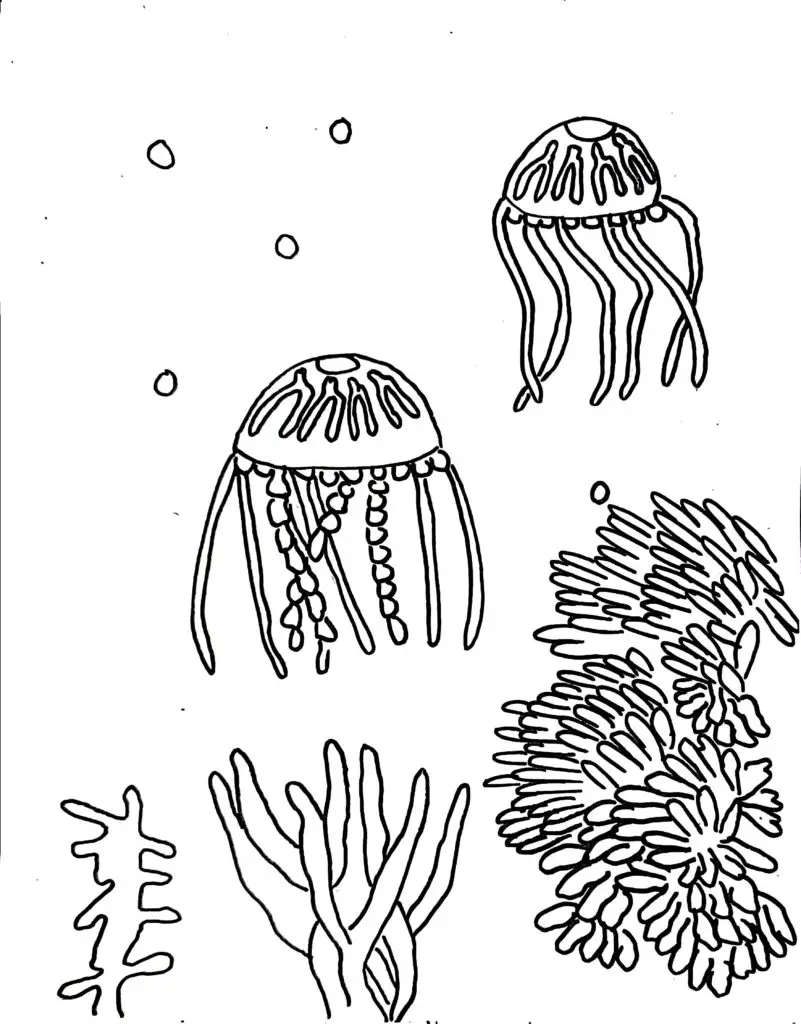
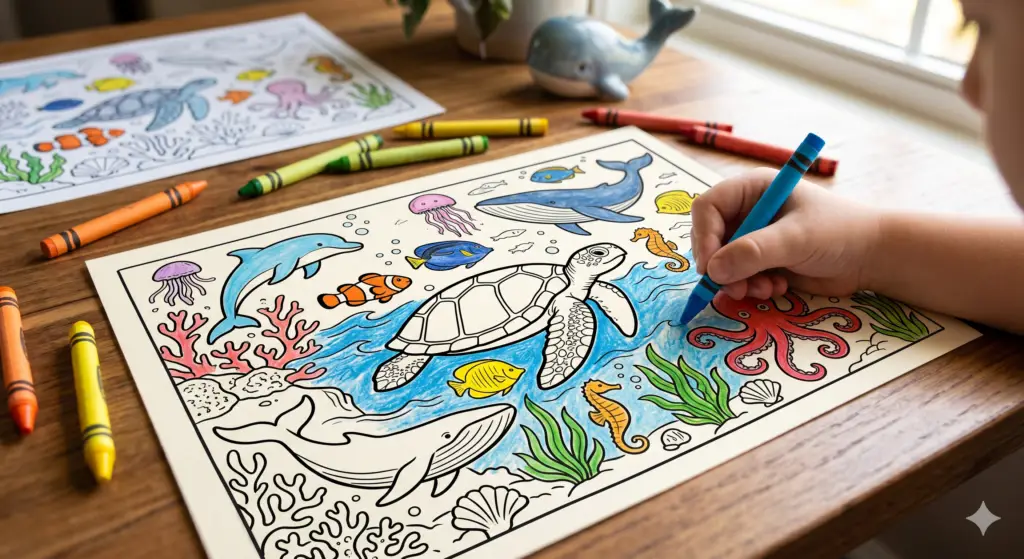
One of the primary educational advantages is species awareness. Coloring helps children identify and differentiate between mammals like dolphins, birds like penguins, and reptiles like sea turtles, introducing biological classifications and unique physical characteristics.
These pages provide vital habitat learning. By coloring sea creatures in settings like coral reefs or polar waters, children learn where animals live and how they interact with their environment. This fosters an early interest in marine biology and environmental conservation.
The process also enhances color recognition and critical thinking. It builds focus and patience, as completing intricate underwater scenes requires a sustained attention span and careful observation of the real world.
Physical and Mental Well-being
Coloring is a powerhouse for fine motor development. Strengthening small muscles in the hands and fingers serves as a fundamental precursor to proper handwriting. Completing complex designs also improves hand-eye coordination and precision.
Beyond physical skills, coloring provides significant mental health benefits. It acts as a stress-reliever by lowering amygdala activity, promoting mindfulness and a meditative state. It offers a safe outlet for emotional expression, while finishing a page provides a tangible sense of accomplishment that boosts self-confidence.